

How Many Sleep Cycles Per Night: A sleep cycle is a period of time that includes the various stages of non-rapid eye movement (NREM) and rapid eye movement (REM) sleep. A typical adult will experience four to six sleep cycles per night, each lasting an average of 90 minutes. Each sleep cycle consists of three phases, beginning with light NREM sleep, progressing into deep NREM sleep, and ending with REM sleep.
The initial phase of light NREM lasts for about 10 minutes before transitioning into deeper stages that can last up to 25 minutes during which slow wave activity occurs in the brain. After this comes the REM stage where breathing becomes more irregular and vivid dreams occur; this usually lasts between 10-25 minutes depending on the individual’s age and sleeping environment. As the night progresses, periods of REM become longer while those spent in NREM decrease until morning when most people wake after a full cycle has been completed.
Most adults should aim for 7-9 hours of sleep per night, which typically includes 4-5 sleep cycles. Each cycle usually lasts around 90 minutes and consists of four stages: light sleep, deep sleep, REM (rapid eye movement) sleep, and finally back to light sleep again. During your time asleep you’ll alternate between these stages in each cycle until you naturally wake up feeling refreshed.
Sleep 5: Types of Sleep and Sleep Cycles
Sleep Cycle Calculator
A sleep cycle calculator is a helpful tool that can be used to determine the optimal time to go to bed in order to wake up feeling refreshed and energized. It works by calculating when you should fall asleep based on your desired wake-up time, allowing your body’s natural circadian rhythm—or its internal clock—to take effect. Using this calculator may help you get more restful sleep and improve alertness throughout the day.
Sleep Cycle Length by Age
The length of a person’s sleep cycle can vary depending on their age. Generally, infants and toddlers need between 10-14 hours of sleep each day in order to feel well-rested, while children from 5-12 years old should have around 9-11 hours. Teenagers typically require 8-10 hours, and adults should get 7-9 hours per night for optimal restfulness.
It is important to ensure that all ages are getting enough quality sleep every night so they can stay healthy and alert throughout the day.
Sleep Cycle Stages Time
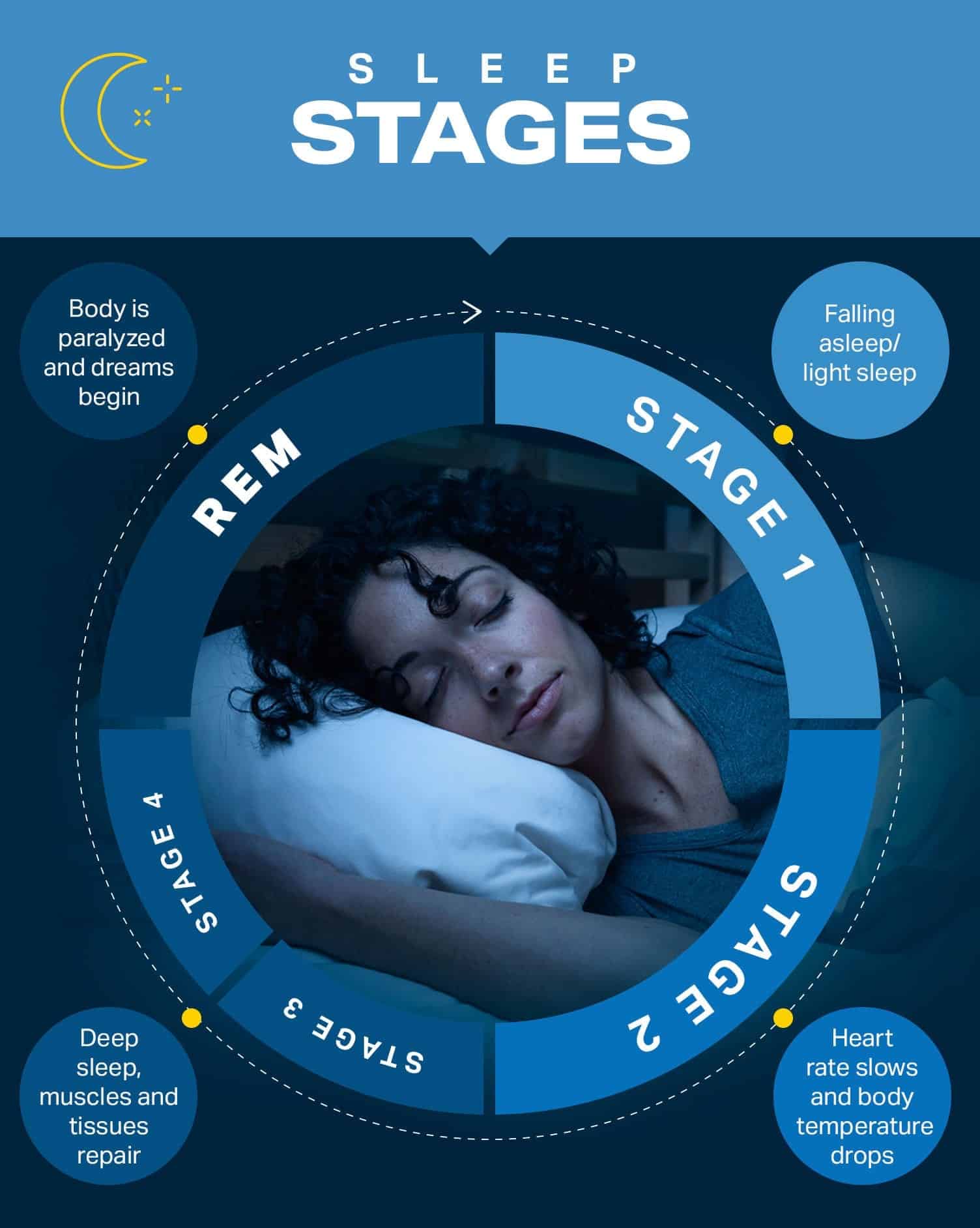
Sleep cycle stages are divided into five main categories: rapid eye movement (REM) sleep, light sleep, deep sleep, non-rapid eye movement (NREM) Stage 1 and NREM Stage 2. On average, a person will experience four to six cycles per night which last anywhere from 90 – 120 minutes. During each cycle the body progresses through all of these phases in order for it to obtain adequate restful sleep.
REM is often known as dream state and generally occurs during the later part of the night while deep sleep is when most physical regeneration takes place. Light and NREM1 are considered lighter levels of sleeping whereas NREM2 is a deeper level prior to entering into REM stage again.
What is the Deepest Stage of Sleep
The deepest stage of sleep is called slow wave sleep, also known as deep sleep. During this stage the body’s breathing and heart rate slows down significantly, and the brain produces large, slow delta waves that are difficult to wake up from. Deep sleep is necessary for proper physical and mental development in adults, allowing our bodies to repair tissues, build bone and muscle mass, regulate hormones and consolidate memories.
How Many Rem Cycles Per Night
The average person experiences between 3-5 REM cycles per night, with each cycle lasting approximately 90 minutes. During a REM cycle, the body is completely relaxed and the brain is most active, which helps to support good quality sleep. Additionally, it’s during these stages that dreams occur as well as memory consolidation and learning processes take place.
What Happens During Rem Sleep
During Rapid Eye Movement (REM) sleep, your brain is as active as during wakeful periods. This stage of sleep is associated with dreaming, increased heart rate and breathing rate, and enhanced eye movement. Your body also becomes temporarily paralyzed during REM sleep in order to prevent you from acting out your dreams.
During REM sleep, the body focuses on restoring itself from physical activity throughout the day by increasing blood flow to muscles and joints while reducing inflammation in those areas.
How Much Deep Sleep Do You Need
Adults need between 7-9 hours of sleep each night, with at least 20% of that time spent in deep sleep. This means that if you are an adult and you get 8 hours of sleep per night, 1 hour and 36 minutes should be devoted to deep sleep. During this stage of restorative sleep, your body is able to repair itself physically and emotionally as well as help consolidate memories for learning.
Rem Sleep Cycle
The REM (Rapid Eye Movement) sleep cycle is a stage of sleep that occurs 4-5 times throughout the night and is associated with dreaming. During this stage, brain activity increases, breathing becomes rapid and shallow, and the eyes move rapidly in different directions. This is why it’s also known as “active” sleep.
It plays an important role in memory consolidation, learning new information, and restoring our physical energy levels.
How Many Hours is 4 Sleep Cycles?
A complete sleep cycle is typically composed of four stages, with each stage lasting for a period of around 90 minutes. This means that 4 sleep cycles would last for about 6 hours in total. It’s important to note that this doesn’t include the time it takes to fall asleep or wake up from your sleep; these times are not considered part of the actual ‘sleep cycle’ and should be taken into account when determining how much rest you need to feel refreshed and energized throughout the day.
Additionally, most adults require between 7-9 hours per night in order to achieve optimal health benefits associated with good quality sleep. Therefore, 4 full cycles may not be enough depending on individual needs and preferences.
How Many Sleep Cycles is Healthy?
Getting a good night’s sleep is essential to leading a healthy lifestyle. But how many sleep cycles are actually necessary for optimal health? Experts recommend between seven and nine hours of sleep every night, with the ideal amount of time falling somewhere in between.
Generally, adults should aim for 7-8 hour blocks of uninterrupted rest, which typically equates to four or five complete 90-minute sleep cycles each night. During these cycles, your body moves through different stages of NREM (non-rapid eye movement) and REM (rapid eye movement) sleep. It’s important that you get all stages throughout the night if you want to feel fully rested when you wake up in the morning; however, it can be difficult to achieve this if you’re not sleeping enough overall or waking up frequently during the night.
To ensure quality restorative sleep, make sure to stick within that recommended 7-9 hour range each evening – your body will thank you!
Is 4 Sleep Cycles Healthy?
Getting enough sleep is essential for our physical and mental health. Many experts agree that the best way to get a good night’s rest is by sleeping in cycles of four hours, with each cycle containing 90 minutes of deep sleep and 20 minutes of light sleep. But is this really the ideal amount for everyone?
The answer may depend on your individual needs and lifestyle.
For some people, getting 4 hours of uninterrupted sleep each night can be just as beneficial as 8 hours. This type of schedule allows you to get your body into a regular pattern where it learns to recognize when it’s time to go to bed or wake up without an alarm clock ringing every morning at 5am.
Additionally, if you have trouble falling asleep due to stress or anxiety, then focusing on shorter periods might be the most effective way for you to relax and drift off more easily at night.
On the other hand, there are certain drawbacks associated with this kind of short-term sleeping pattern; mainly because it can disrupt our natural circadian rhythm which controls how much energy we feel during different times throughout the day (especially during afternoons). Furthermore, if you don’t get enough REM (rapid eye movement) sleep – which usually occurs in longer cycles – then its possible that you won’t reap all the benefits from your snoozing time either!
Ultimately, whether 4 hour cycles are healthy or not will vary from person-to-person based on their age, lifestyle choices & biological makeup so its important to evaluate what works best for YOU before making any drastic changes!
How Many Sleep Cycles is Normal for 8 Hours?
The average person needs 8 hours of sleep per night to feel rested and energized. However, it’s not just the amount of time spent sleeping that matters, but also how well you’re sleeping. During a typical night, your body goes through several cycles of REM (Rapid Eye Movement) and non-REM sleep.
On average, adults should experience between 4 and 5 full sleep cycles during an 8 hour night – each cycle consisting of both REM and non-REM stages. Each complete cycle typically takes around 90 to 110 minutes from start to finish, so if you’re getting 8 hours of sleep at night then you should be able to fit in 4 or 5 full cycles depending on how quickly you fall asleep.
Conclusion
Overall, it is clear that everyone experiences different numbers of sleep cycles throughout the night. The average number of sleep cycles for adults is between 4 and 5 per night, but this can vary from person to person depending on factors such as age. Getting enough quality restorative sleep every day is key to staying healthy and alert, so understanding how many sleep cycles you may need each night can help you achieve a better quality of life.