


Fashion Design for Beginners:
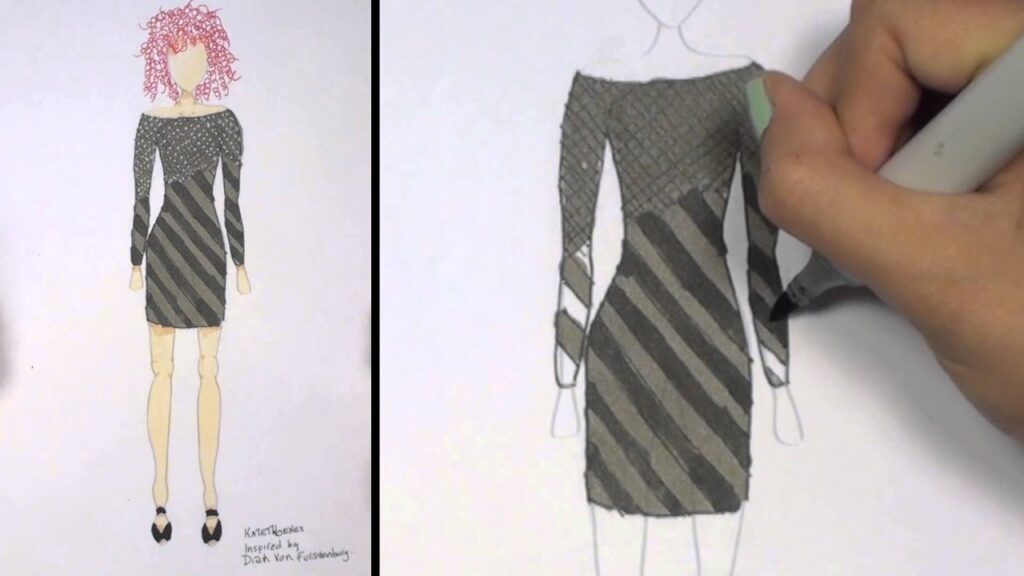
Fashion Design for Beginners : Fashion design can be challenging, but surrounding yourself with like-minded individuals can help. Look for local fashion communities, or join online platforms like LinkedIn or fashion-specific forums to connect with others in the industry. Many cities also offer fashion workshops, and many designers are happy to share insights with newcomers.Finally, stay inspired by regularly exploring fashion blogs, magazines, and social media platforms like Instagram and Pinterest. Visit museums, attend fashion shows (virtually or in-person), and follow fashion influencers who inspire you. Keep practicing, sketching, sewing, and learning about new materials and trends.
Fashion design is an exciting blend of art, creativity, and technical skill. For beginners, this world may seem both thrilling and intimidating, but with the right tools and guidance, anyone can take the first steps toward creating their own clothing designs. This guide will introduce you to the essentials of fashion design and help you start your journey in this vibrant industry.
1. Understanding Fashion Design Basics
Fashion design is about creating clothing and accessories that are not only functional but also aesthetically appealing. Designers use elements of style, color, texture, and silhouette to create garments that reflect personality, trends, and, often, cultural and social statements. Here are some key concepts:
- Silhouettes: The outline or shape of a garment. For example, an A-line dress has a silhouette that flares out from the waist, creating an “A” shape.
- Color Theory: Colors convey emotions and set the tone for a design. Knowing the color wheel, complementary and analogous colors, and how to use colors together can enhance your designs.
- Fabric and Texture: Different fabrics drape differently on the body. Knowing the properties of fabrics (e.g., stretch, thickness, and durability) helps create designs that look good and feel comfortable.
- Details and Embellishments: Buttons, zippers, lace, and other details add personality and practicality to a garment.
2. Developing a Personal Style
Every designer has a unique style. As a beginner, you might be inspired by other designers, trends, or cultural elements, but over time, you’ll develop a distinct voice in your creations. To cultivate this, start by exploring:
- Mood Boards: Create collages of images, colors, fabrics, and textures that resonate with you. These can help clarify your aesthetic preferences.
- Fashion Sketching: Sketching is a primary way to express ideas. It doesn’t have to be perfect—just enough to bring your concept to life.
- Studying Fashion Icons and Designers: Look at famous designers or movements that resonate with you. This research can reveal themes and styles that might inspire your work.
3. Learning the Essentials of Fashion Sketching
Fashion sketching is crucial for visualizing your designs. Beginners can start by learning the basic fashion figure, or “croquis,” which is often an elongated figure that highlights the form and flow of clothing.
- The Croquis: Draw a simple body outline to dress up with your design ideas. Keep it proportional and focus on accentuating the areas you want to emphasize.
- Garment Detail Sketches: Once you’re comfortable with the croquis, practice sketching details like necklines, sleeves, and skirts. Focus on how different styles (like puffed sleeves or high collars) change the garment’s look.
- Use Templates: Many beginners find it helpful to use croquis templates to get started, as these provide a consistent base for each design.
4. Understanding Fabrics and Materials
Fabrics play a major role in how a design looks, feels, and moves. Beginners should get familiar with basic fabric types (like cotton, silk, and polyester) and understand their qualities:
- Weight and Drape: Heavier fabrics (like wool) create structure, while lighter fabrics (like chiffon) have more movement.
- Texture: Fabrics can be smooth, rough, stretchy, or rigid, each adding a different dimension to a garment.
- Color Absorption: Some fabrics, like silk, hold colors vibrantly, while others, like cotton, offer a more muted look. This can affect your design’s visual impact.
Visit a fabric store to feel different materials and understand how they’ll impact your design.
5. Gaining Basic Sewing Skills
Learning to sew is an invaluable skill for any beginner in fashion design. Sewing gives insight into garment construction, helps you experiment with your ideas, and enables you to bring designs to life:
- Basic Sewing Techniques: Learn to stitch seams, sew hems, attach buttons, and create simple garments. Many beginner kits come with instructions for these skills.
- Pattern-Making: Patterns are templates for cutting fabric pieces that will be sewn together. You can start by using pre-made patterns, then gradually progress to creating your own.
- Fitting and Adjustments: Knowing how to adjust clothing to fit various body types is key. This includes learning techniques like darting and pleating to tailor your designs.
6. Building a Fashion Portfolio
As you practice and create designs, it’s important to document your work in a portfolio. A portfolio showcases your best designs and demonstrates your growth and range as a designer:
- Collect Your Best Work: Include sketches, photos of finished garments, and fabric samples if possible. Quality is better than quantity, so choose pieces that reflect your skills.
- Include Different Styles: Show your versatility by including a range of garments—casual wear, evening wear, accessories, or experimental pieces.
- Highlight Unique Techniques: If you’ve used specific skills or materials, mention these. This can include hand-sewing, embroidery, or sustainable materials.
Are you passionate about fashion and dream of creating your own designs? Whether you envision yourself designing haute couture or everyday wear, learning the basics of fashion design is an exciting journey. Here’s a comprehensive guide to help you get started.
1. Understanding Fashion Design
Fashion design is the art of applying creativity, aesthetics, and practical skills to clothing and accessories. A fashion designer works with colors, fabrics, patterns, and trends to create pieces that are both visually appealing and functional. In fashion design, every choice—from the fabric to the silhouette—can make a significant difference.
Key Areas in Fashion Design:
- Apparel Design: Creating clothing items, from dresses and suits to streetwear.
- Accessory Design: Designing bags, jewelry, hats, and other accessories that complement outfits.
- Footwear Design: Focusing on shoes and other footwear, balancing style with comfort.
- Costume Design: Creating costumes for theater, film, and TV, where the goal is storytelling through attire.
2. Essential Skills for Beginners
Fashion design requires a mix of creative and technical skills. Here are some basics to start honing:
- Sketching: You don’t need to be a master artist, but learning to sketch your ideas helps in communicating your designs. Start with simple line drawings and gradually add details.
- Color Theory: Understanding how colors work together is crucial. Study the color wheel, learn about complementary and analogous colors, and experiment with hues to find your style.
- Fabric Knowledge: Fabrics have different qualities like stretch, weight, and texture, which affect how they look and feel. Study different fabrics and their properties to know what works best for each design.
- Pattern Making: Patterns are templates that guide the cutting and assembly of a garment. Learning basic pattern-making techniques helps you bring your designs to life.
- Sewing: Basic sewing skills are essential. Understanding sewing techniques, stitches, and garment construction is key for turning your designs into wearable pieces.
3. Find Inspiration
Every designer has a unique source of inspiration, whether it’s nature, art, people, or architecture. Create an “inspiration board” with images, fabric swatches, and sketches that capture your ideas. Pinterest, fashion magazines, or social media can also be great sources for discovering trends and unique styles.
4. Start with Basic Tools
As a beginner, you don’t need an elaborate setup. Start with these essentials:
- Sketchbook: A dedicated sketchbook allows you to organize and refine your ideas.
- Drawing Pencils and Pens: Different pencils and markers help you create detailed and textured sketches.
- Fabric Samples: Experimenting with fabric swatches helps you get familiar with textures and colors.
- Scissors and Cutting Tools: Invest in quality fabric scissors for precise cuts.
- Sewing Machine: Start with a basic sewing machine that allows you to practice stitching techniques.
- Measuring Tape and Rulers: These tools help you create accurate measurements and patterns.
5. Study Fashion History and Trends
Understanding fashion history gives you insight into how styles have evolved and what makes them timeless. Familiarize yourself with different fashion eras, such as the Victorian era, the 1920s, or the 90s, to appreciate diverse silhouettes, materials, and cultural influences.
Trends are also crucial. Trends often influence what’s popular and marketable, but remember that your unique perspective and creativity are what make your designs special.
6. Practice Sketching and Designing
The more you practice, the better you’ll become. Here are some exercises to help you start sketching:
- Daily Sketches: Try sketching a different design each day. Start with simple shapes and work up to more complex outfits.
- Style Your Designs: Visualize your designs on different body shapes to make them more inclusive.
- Experiment with Colors: Choose color themes for each design to practice pairing colors harmoniously.
7. Learn the Basics of Pattern Making
Creating your own patterns can seem intimidating, but it’s an essential skill. There are beginner resources online that can guide you through creating simple patterns. Practice with patterns for basic items like skirts or tops before moving on to more complex garments.
8. Develop Your Own Style
Your unique style is what will set you apart as a designer. Pay attention to what excites you about fashion—do you love minimalist lines, vibrant prints, vintage styles, or sustainable fashion? Let your personal tastes guide your designs and try to incorporate your unique flair.
9. Build a Portfolio
As you create more designs, keep a record of your best work in a portfolio. This can be a physical book or an online portfolio, but it should showcase your progression, style, and creativity. A strong portfolio is essential if you want to pursue further studies or a career in fashion.
10. Keep Learning
Fashion is an ever-evolving field, so stay curious and open to learning. Follow fashion blogs, attend workshops, and connect with other designers. Consider taking courses in areas you find challenging, such as advanced sewing techniques, digital design, or fabric manipulation.
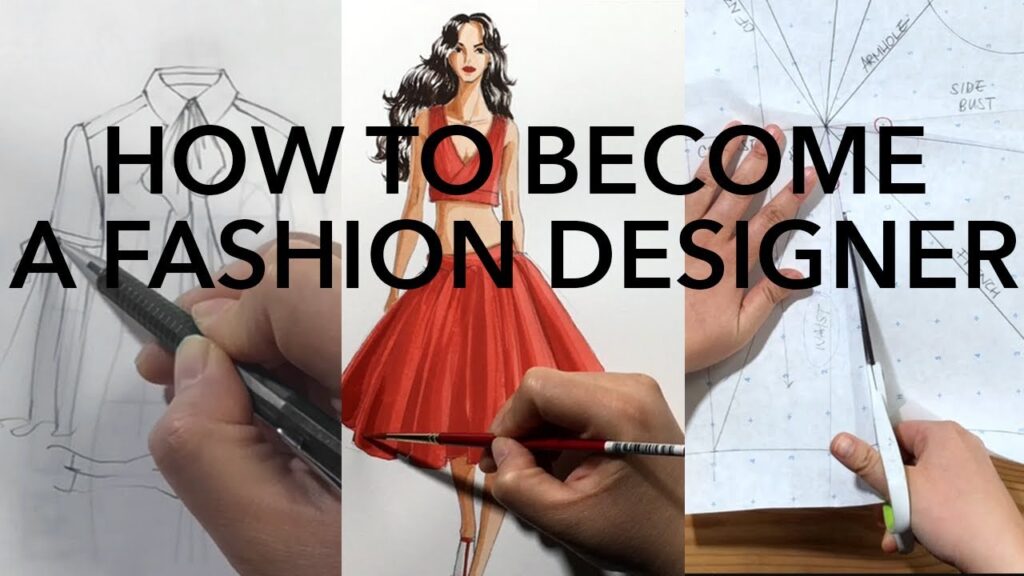
Fashion Design for Beginners : Fashion design is a dynamic field that brings together creativity, artistry, and technical skills. For beginners looking to dive into this world, understanding the basics is essential for building a solid foundation. This guide will introduce you to the essential steps to begin your journey in fashion design.Sketching is a vital skill for fashion designers, as it’s the first step to visualizing your ideas. If you’re not confident in your drawing skills, there are many resources online or books on fashion illustration for beginners. Practice drawing the basic shapes of the human form, focusing on proportions. You can start with a fashion croquis (a sketch template) to help standardize body proportions.
Fashion design is a rewarding journey that requires passion, patience, and a commitment to learning. By understanding the basics, practicing consistently, and finding your unique style, you’ll be well on your way to creating designs that inspire and stand out. Enjoy the process, and remember, every great designer started with a single sketch!


أجهزة قياس الوزن العراق
شركة Bwer هي أحد الموردين الرئيسيين لموازين الشاحنات ذات الجسور في العراق، حيث تقدم مجموعة كاملة من الحلول لقياس حمولة المركبات بدقة. وتغطي خدماتها كل جانب من جوانب موازين الشاحنات، من تركيب وصيانة موازين الشاحنات إلى المعايرة والإصلاح. تقدم شركة Bwer موازين شاحنات تجارية وموازين شاحنات صناعية وأنظمة موازين جسور محورية، مصممة لتلبية متطلبات التطبيقات الثقيلة. تتضمن موازين الشاحنات الإلكترونية وموازين الشاحنات الرقمية من شركة Bwer تقنية متقدمة، مما يضمن قياسات دقيقة وموثوقة. تم تصميم موازين الشاحنات الثقيلة الخاصة بهم للبيئات الوعرة، مما يجعلها مناسبة للصناعات مثل الخدمات اللوجستية والزراعة والبناء. سواء كنت تبحث عن موازين شاحنات للبيع أو الإيجار أو التأجير، توفر شركة Bwer خيارات مرنة لتناسب احتياجاتك، بما في ذلك أجزاء موازين الشاحنات والملحقات والبرامج لتحسين الأداء. بصفتها شركة مصنعة موثوقة لموازين الشاحنات، تقدم شركة Bwer خدمات معايرة موازين الشاحنات المعتمدة، مما يضمن الامتثال لمعايير الصناعة. تشمل خدماتها فحص موازين الشاحنات والشهادات وخدمات الإصلاح، مما يدعم موثوقية أنظمة موازين الشاحنات الخاصة بك على المدى الطويل. بفضل فريق من الخبراء، تضمن شركة Bwer تركيب وصيانة موازين الشاحنات بسلاسة، مما يحافظ على سير عملياتك بسلاسة. لمزيد من المعلومات حول أسعار موازين الشاحنات، وتكاليف التركيب، أو لمعرفة المزيد عن مجموعة موازين الشاحنات ذات الجسور وغيرها من المنتجات، تفضل بزيارة موقع شركة Bwer على الإنترنت على bwerpipes.com