


Character robes : Robes have long been associated with various cultures, traditions, and roles. From ceremonial garments to everyday wear, the robe holds a special place in history and our collective imagination. But beyond the mere physicality of the fabric, character robes tell stories, evoke emotions, and carry deep symbolism. Let’s delve deeper into the multifaceted world of character robes.
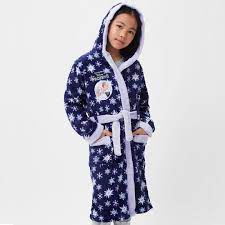
Character robes : Character robes, with their rich history, symbolism, and versatility, hold a unique place in both fiction and reality. They transcend mere clothing, becoming symbols of culture, identity, and personal journey. As they continue to be reinterpreted and reinvented in contemporary contexts, robes remind us of the enduring power of tradition, the artistry of design, and the universal human desire to express, commemorate, and connect through attire. Whether draped in the robes of ancient tradition or donning a modern interpretation, individuals and characters alike wear their robes with pride, purpose, and profound meaning.
1. Historical Significance
Throughout history, robes have been a symbol of prestige, authority, and tradition. In ancient civilizations like Egypt, priests adorned ornate robes during religious ceremonies, emphasizing their role as intermediaries between the divine and mortal realms. Similarly, in European courts, monarchs and nobles wore luxurious robes to signify their status and power.
2. Symbolism and Identity
Robes often serve as powerful symbols of identity. For instance:
- Academic Robes: Graduation ceremonies around the world feature students donning robes that signify their academic achievements. The colors and designs often represent the discipline or level of the degree obtained.
- Religious Robes: Whether it’s the saffron robes of Buddhist monks, the white robes of Christian clergy, or the tallit worn by Jewish individuals during prayer, religious robes convey spiritual commitment and affiliation.
- Superhero Robes: In the realm of fiction, superheroes like Superman and Batman wear iconic costumes that have become emblematic of their characters’ virtues, powers, and missions.
3. Cultural Diversity
The robe, in its various forms, has been adapted by different cultures worldwide:
- Kimono (Japan): A traditional Japanese robe with intricate designs, each pattern and color holds symbolic meaning.
- Dashiki (West Africa): A colorful garment often worn during ceremonial occasions, representing African heritage and identity.
- Kaftan (Middle East): A loose-fitting robe, the kaftan is both functional and stylish, reflecting the cultural aesthetics of the region.
4. Modern Interpretations
In contemporary fashion and media, robes continue to evolve:
- Fashion Runways: Designers often reinterpret traditional robes, blending cultural motifs with modern aesthetics. Runways around the world showcase robes that are both elegant and avant-garde.
- Film and Television: Characters like Jedi knights in “Star Wars” or wizards in “Harry Potter” wear robes that are integral to their identities and roles within their respective narratives.
5. Beyond the Physical
While the fabric, color, and design are essential, the true essence of a character robe lies beyond its physical attributes. It embodies stories, memories, aspirations, and the collective consciousness of a community or era.
character robes are more than just garments; they are vessels of history, culture, identity, and imagination. Whether worn in ancient temples, modern fashion runways, or fictional galaxies far, far away, robes continue to weave tales that transcend time and space.
Robes have long been a symbol of tradition, status, and ceremonial significance in various cultures around the world. Whether worn by monks in Buddhist temples, wizards in fantasy novels, or judges in courtrooms, robes carry with them a certain gravitas and aura. But beyond their outward appearance, character robes offer a deeper layer of insight into the wearer’s personality, history, and role within their respective worlds.
1. Symbolism and Identity
In literature and film, robes often serve as visual shorthand. For instance:
- Wizards and Sorcerers: The long, flowing robes adorned with stars, moons, or intricate patterns signify wisdom, arcane knowledge, and the weight of responsibility. Think of Gandalf from “The Lord of the Rings” or Dumbledore from “Harry Potter.” These robes are not merely garments but a reflection of their deep connection to the mystical realms.
- Monks and Spiritual Leaders: In various traditions, robes are more than just clothing; they are an embodiment of spiritual values, humility, and dedication. The simple yet elegant robes worn by Buddhist monks, for example, signify renunciation of worldly desires and a commitment to a life of meditation and service.
Adaptation and Fusion
As societies evolve and cultures intermingle, the traditional meanings and designs of robes can undergo transformations:
- Modern Interpretations: Contemporary designers and artists often reinterpret traditional robe designs, infusing them with modern aesthetics while retaining their core essence. This fusion reflects the dynamic interplay between tradition and innovation.
- Cultural Exchange: With globalization, robes from various cultures find new audiences and adaptations. This cross-cultural exchange not only enriches fashion but also fosters greater understanding and appreciation of diverse traditions.
6. Robes in Rituals and Ceremonies
Beyond everyday wear, robes hold a special place in rituals and ceremonies:
- Weddings: In many cultures, bridal and ceremonial robes symbolize purity, union, and the solemnity of the occasion. These robes, often intricately embroidered or embellished, become cherished heirlooms passed down through generations.
- Festivals and Celebrations: During religious or cultural festivals, robes play a central role, symbolizing devotion, joy, and reverence. The vibrant colors and designs of festival robes mirror the spirit and ethos of the celebrations.
7. The Craftsmanship Behind the Robes
The creation of robes is an art form in itself:
- Artisanal Skills: Crafting a robe requires meticulous attention to detail, from selecting the right fabric to intricate embroidery and stitching. Skilled artisans often spend years honing their craft, ensuring that each robe is a masterpiece in its own right.
- Sustainable Practices: As awareness grows about sustainability and ethical fashion, there’s a renewed focus on creating robes using eco-friendly materials and practices. This shift towards sustainable craftsmanship ensures that robes continue to be cherished while minimizing environmental impact.
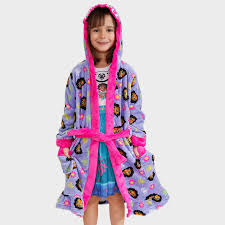
Character robes :
- Design and Craftsmanship: The design of a robe often reflects the aesthetics and artistic sensibilities of its culture. Whether it’s the intricate embroidery on traditional Japanese kimonos or the vibrant patterns on African ceremonial robes, each piece tells a story of craftsmanship, heritage, and cultural evolution.
- Materials and Textures: The choice of fabric—be it silk, cotton, wool, or other materials—can significantly influence the robe’s appearance, drape, and feel. The texture of the fabric, combined with its color and design, adds another layer of depth and richness to the garment.
Character robes, in their myriad forms and interpretations, serve as a testament to the enduring power of symbolism, craftsmanship, and cultural narratives. Whether worn by fictional heroes on epic quests or individuals marking significant life milestones, robes transcend mere attire, encapsulating stories, traditions, and the timeless quest for meaning and identity. As we continue to evolve, the allure of robes—both in their tangible beauty and intangible symbolism—remains undiminished, weaving a tapestry of tales that resonate across time and space.


