



Fashion design : Fashion design is a unique blend of art, craftsmanship, and technology that transforms fabric and thread into clothing and accessories that express culture, creativity, and individuality. In today’s world, fashion is more than just clothes; it’s a statement, an art form, and a reflection of society. From sustainability to technological advancements, the industry has evolved significantly, blending traditional techniques with innovative approaches.
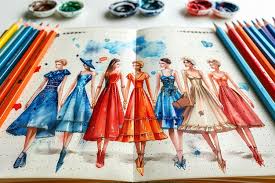
Fashion design : Fashion trends are constantly evolving, influenced by cultural shifts, technological advancements, and economic factors. Historically, fashion trends were largely influenced by the ruling classes, but in today’s digital age, trends are driven by social media, celebrity culture, and individual creativity. The rise of fast fashion has accelerated trend cycles, but there is a growing shift toward sustainable and ethical fashion.
The Creative Process
Fashion design begins with inspiration, often drawn from art, nature, history, or everyday life. Designers start with sketches, putting their ideas on paper or digital platforms. They explore colors, fabrics, and styles, experimenting with various textures and silhouettes to bring their concepts to life. This creative process may include mood boards, fabric swatches, and initial prototypes that help visualize and refine ideas.
The role of a fashion designer requires a keen eye for detail, an understanding of human anatomy, and an ability to predict trends. Designers have to consider functionality, comfort, and practicality alongside aesthetics. With advancements in digital tools, designers now have access to 3D modeling software that allows them to create virtual garments, experiment with different fabrics, and make changes before the garment is physically produced.
Technological Innovation in Fashion Design
Technology has revolutionized the fashion industry in several ways, from design to production. 3D printing, for instance, has introduced new possibilities, allowing designers to create intricate patterns and textures that were previously impossible. Digital fashion – virtual garments and clothing – is also gaining popularity, offering people a sustainable and creative way to express their style online without physical production.
Moreover, artificial intelligence (AI) is used to analyze trends and predict consumer behavior, enabling designers and brands to create products that align with market demands. Smart fabrics that adjust to temperature, LED-lit garments, and even bioengineered materials are changing the way designers think about clothing, bridging fashion with technology and science.
Sustainable Fashion: A Growing Necessity
Sustainability has become a crucial aspect of modern fashion design as environmental concerns continue to rise. The fast fashion industry has been scrutinized for its wastefulness and ethical issues. In response, many designers are embracing sustainable practices, such as using eco-friendly materials, reducing water consumption, and minimizing waste. Some are even pioneering zero-waste design, where garments are constructed to leave no fabric scraps behind.
Recycled and organic materials, biodegradable fabrics, and upcycling are just a few methods used by designers aiming for sustainable fashion. Brands are also focusing on transparency in the supply chain to ensure ethical practices and fair treatment of workers. This shift towards sustainability has encouraged consumers to be more mindful of their choices, leading to the rise of “slow fashion,” which emphasizes quality over quantity and promotes longer-lasting garments.
The Influence of Cultural Diversity
Fashion is a global industry, with each culture bringing unique aesthetics, textiles, and techniques to the table. Designers draw inspiration from diverse traditions, patterns, and garments, celebrating heritage while infusing modern trends. This blending of cultural styles not only enriches the fashion landscape but also fosters greater appreciation and respect for different backgrounds.
Globalization has made fashion more accessible, with designers and brands reaching audiences worldwide through e-commerce. The cross-pollination of styles and ideas has led to hybrid designs that reflect both individuality and universality.
The Future of Fashion Design
The future of fashion design looks promising, with continued technological innovation, increased focus on sustainability, and a greater emphasis on inclusivity. We may see more virtual clothing collections, collaborations between fashion and tech industries, and a push for sustainable and circular fashion models.
Designers are also expected to work more closely with customers, personalizing and tailoring clothing to fit individual preferences through data insights and digital design tools. As fashion becomes increasingly interactive and personalized, the role of the designer will evolve, blending creativity with data-driven decision-making.
Fashion design remains one of the most dynamic and influential industries, constantly adapting to societal changes, technological advances, and environmental demands. It celebrates individuality and creativity, bridging cultural gaps and reflecting the spirit of the times. As designers continue to innovate, fashion will remain a powerful form of self-expression and a significant cultural force, shaping and being shaped by the world around it.
Fashion is not just about making clothes; it’s about telling stories, embracing change, and envisioning a future where creativity, sustainability, and technology coexist.
Fashion design is much more than creating beautiful clothing; it’s an art form, a cultural statement, and a science all rolled into one. From the sketching process to the final stitch, the world of fashion design blends creativity with functionality, constantly adapting to the pulse of the world’s ever-changing tastes, cultures, and technologies. Today, fashion designers are increasingly moving beyond aesthetics alone, focusing on sustainability, inclusivity, and innovation as key pillars in their work. This article explores the core elements, challenges, and future of fashion design.
1. Inspiration: Where It All Begins
Fashion design begins with inspiration. Designers draw ideas from a variety of sources—nature, architecture, history, art, or even political movements. Some designers are influenced by streetwear and subcultures, while others might take cues from high art or folklore. Inspiration fuels the concept, setting the tone, color scheme, and general aesthetic that will guide a collection or a single garment.
Each designer has a unique approach to this process. Some may create mood boards filled with photos, textures, and color swatches, while others dive directly into sketching and experimentation with materials. This initial phase is often intuitive and deeply personal, revealing the designer’s vision, style, and message.
2. The Design Process: Crafting the Vision
Once the concept is solidified, the technical aspects of design begin. Designers draft sketches, select fabrics, and choose color palettes. The drawing stage often involves both hand sketches and digital renderings, where designers refine their ideas and work on details.
Following the sketching process, patterns are created. Patterns serve as the blueprint for the garment, detailing each piece that will eventually come together in the final product. Pattern-making is a highly technical skill and requires a deep understanding of fabric behavior, human anatomy, and construction techniques.
Today, many designers use computer-aided design (CAD) software, which allows for greater precision and the ability to simulate how a garment will look on a virtual model. This technology has transformed fashion design, making it faster and enabling designers to test their ideas before the physical prototype is created.
3. Textiles: The Heart of Fashion
Fabrics and materials play a crucial role in fashion design. The choice of fabric can define the shape, texture, and movement of a garment. Natural fibers like cotton, wool, and silk are timeless classics, while synthetics like polyester and nylon offer versatility and durability. Recently, the industry has seen a rise in sustainable materials, such as organic cotton, bamboo, and even mushroom leather.
Advancements in textile technology have also opened doors to “smart fabrics” with integrated features like moisture-wicking, temperature regulation, and even LED lighting. Designers now have a range of options that were unimaginable a few decades ago, enabling garments that are not only beautiful but functional in unique ways.
4. Sustainability and Ethical Considerations
The fashion industry is one of the largest polluters globally, which has led to a strong movement toward sustainable and ethical practices. Many designers are rethinking their approach to materials, opting for recycled fabrics and eco-friendly dyes, and adopting zero-waste patterns. Ethical considerations go beyond the environment, touching on fair labor practices and supply chain transparency.
The trend of “slow fashion” encourages creating high-quality, durable garments rather than fast, disposable pieces. Brands like Patagonia and Stella McCartney are pioneers in sustainable design, setting an example for the rest of the industry to follow. Today’s designers face the challenge of balancing aesthetic appeal with sustainability, a shift that’s reshaping the very foundations of fashion.
5. Inclusivity and Diversity in Fashion Design
Fashion design is increasingly embracing inclusivity, reflecting a wider range of body types, ages, ethnicities, and gender expressions. Designers are creating collections that cater to a broader demographic, moving beyond the traditional size and age range associated with high fashion. The rise of adaptive clothing, which is tailored to the needs of people with disabilities, is a prime example of inclusivity in action.
Moreover, cultural representation is also gaining traction, with designers drawing from their heritage or celebrating global influences in respectful, authentic ways. This inclusivity is not only about representation but also about creating clothing that makes people feel empowered and seen.
6. The Future of Fashion Design: Technology and Beyond
The future of fashion is likely to be heavily influenced by technology, with virtual reality (VR) and augmented reality (AR) bringing new possibilities to both design and retail. Imagine a world where customers can try on clothes virtually or where designers can create 3D-printed garments that fit perfectly without any alterations. AI-powered tools are already assisting designers with trend forecasting, pattern creation, and even helping with sustainable material sourcing.
Another future direction is “phygital” fashion—an intersection of physical and digital garments, especially in the realm of virtual worlds and gaming. Digital fashion houses, like The Fabricant, create entirely digital clothing that users can “wear” in virtual environments, signaling a shift in how we think about fashion.
Fashion design is an art form that continually adapts to the times, balancing aesthetic innovation with social, environmental, and technological considerations. Today’s designers have the power to shape culture and challenge norms, redefining beauty and inclusivity along the way. As we move into the future, fashion will continue to evolve, reflecting the values, struggles, and aspirations of each generation. It’s a world where the delicate stitching of tradition meets the bold fabric of innovation, crafting not just clothing but a legacy of art and purpose.
Fashion design is a dynamic, constantly evolving art form that extends beyond just clothing. It reflects our cultural heritage, responds to social movements, and expresses individuality. At its core, fashion design is about creating wearable art, translating emotions and ideas into pieces that make a statement or, at times, defy convention. From haute couture to streetwear, fashion designers impact how we view and present ourselves in society. This article delves into the essence of fashion design, its history, the role of technology, and the future trends shaping the industry.
The Origins of Fashion Design
Fashion as we know it began to take form in the late 19th century. The iconic Englishman Charles Frederick Worth is credited with pioneering haute couture in Paris. Worth’s designs were revolutionary because he treated his work as an art form, designing custom pieces for clients and creating an exclusive brand identity. The rise of couture houses led to a new era where garments became much more than mere clothing; they embodied a blend of luxury, identity, and expression.
This period also marked the growth of Paris as the fashion capital of the world, with the “Parisian style” influencing designers globally. Designers like Coco Chanel, Christian Dior, and Yves Saint Laurent established their own houses and were trailblazers, introducing new silhouettes and concepts. Their influence extended worldwide, shaping modern fashion design into a powerful, prestigious industry.
The Process of Fashion Design
Fashion design begins with inspiration, which could stem from nature, art, cultural heritage, or personal experiences. Once designers find their muse, they transform their visions into sketches and create patterns to craft the garment. The designer’s touch extends to fabric choice, color palettes, and texture—each element telling its own story.
A core part of the process includes prototyping, known in fashion as creating “toiles” or mock-ups. These help designers perfect fit, structure, and aesthetics before moving on to the final piece. The journey from concept to finished garment is iterative, requiring multiple adjustments. In high fashion, especially, this process emphasizes perfectionism, precision, and craftsmanship.
The Role of Technology in Modern Fashion Design
Technology has dramatically altered the fashion design landscape. In the past decade, advancements such as 3D printing, digital illustration, and AI-driven trend analysis have introduced new ways for designers to bring their ideas to life.
- 3D Printing and Virtual Sampling: Designers can now use 3D printing to create intricate shapes and textures impossible with traditional techniques. Virtual sampling allows designers to visualize garments on digital avatars, saving costs and resources otherwise used in physical prototyping.
- Sustainable Design: Technology has also enabled more sustainable practices, helping designers work with eco-friendly materials and implement recycling processes. Digital design tools reduce waste by minimizing the need for physical samples, while AI can optimize resource allocation.
- AI-Driven Trend Analysis: AI has empowered designers and fashion houses with data on consumer preferences, allowing them to predict trends and adapt more quickly. This approach allows for a blend of creativity with efficiency, catering more accurately to public demand.
Fashion Design and Cultural Expression
Fashion has always been a mirror to society’s evolution. Designers use clothing to make statements on social justice, identity, and politics. Fashion not only reflects the aesthetics of an era but also speaks to the cultural and political movements of its time.
Take, for instance, the punk movement of the 1970s. Designers like Vivienne Westwood used punk fashion to defy societal norms and bring attention to countercultural ideals. Today, we see designers incorporating sustainable practices and ethical labor considerations, aligning with the global push towards conscious consumerism.
Fashion’s role as a medium for social change continues to grow. Designers are increasingly involved in advocacy, using their platforms to promote diversity, inclusivity, and environmental responsibility. This intersection of design and activism has given rise to a new wave of designers focused on both style and substance.
Emerging Trends in Fashion Design
Looking to the future, several trends are shaping how fashion will evolve:
- Sustainability as Standard: Sustainability has become a priority. Innovations in textile production, such as biodegradable materials and upcycled fabrics, are expected to transform fashion into a more sustainable industry.
- Digital Fashion and Virtual Reality: Digital fashion, where garments exist solely online, is gaining traction, especially with the rise of virtual platforms and the metaverse. Designers are experimenting with virtual fashion shows, allowing audiences worldwide to experience their collections.
- Inclusive Design: The push for inclusivity in fashion has led to designs that cater to all body types, genders, and abilities. This trend is here to stay, as brands recognize the importance of creating pieces that speak to diverse audiences.
- Customization and Personalization: With the help of AI and data analytics, brands are now able to personalize clothing recommendations and allow consumers to have a hand in the design process. Customization options are on the rise, offering consumers a more intimate and unique experience.
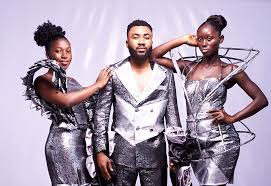
Fashion design : Fashion design is an ever-evolving field that reflects both individual creativity and societal trends. As technology and sustainable practices continue to shape the industry, fashion design will likely see even greater innovation. Whether it’s a new silhouette, a fresh approach to materials, or a groundbreaking use of digital platforms, fashion design remains at the forefront of artistic and functional expression, embodying both timeless elegance and contemporary flair.
Fashion design is more than just creating clothing; it is a journey through art, culture, technology, and social consciousness. Designers must balance creativity with the demands of a rapidly changing market, while also addressing global concerns like sustainability and diversity. Fashion remains an ever-changing tapestry of ideas, a testament to our shared history, current times, and aspirations for the future. As the fashion industry evolves, so too will the creative minds shaping it, pushing boundaries and redefining what fashion can be for generations to come.


süpürge bakım ve temizlik
süpürge bakım ve temizlik Süpürgemin motoru değişti, yeni gibi oldu. http://cocapal.com/read-blog/5191
Ümraniye süpürge performans arttırma
Ümraniye süpürge performans arttırma Sorunsuz bir servis tecrübesi yaşadım. https://psseo.ca/fr/question/elektrik-supurgesi-servisi-2/