


Formal clothes for men : Formal clothes for men has evolved over centuries, adapting to cultural shifts, technological advancements, and changing fashion trends. From the structured, elaborate garments of the Victorian era to the sleek, minimalist designs of the modern day, formal attire remains a key element of a man’s wardrobe. Understanding the essentials of formal wear can empower men to present themselves confidently in various professional and social settings.
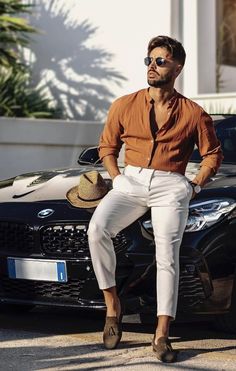
Formal clothes for men : In the world of fashion, Formal clothes for men holds a significant place. Whether for a business meeting, a wedding, or a formal evening event, the right outfit can make a lasting impression. Understanding the nuances of formal clothing and how to choose the right pieces can enhance your style and confidence. This article delves into the essentials of formal wear for men, offering tips and guidelines for dressing your best on any occasion.No formal look is complete without proper grooming. Ensure that your hair is neatly styled, your face is clean-shaven or your beard is well-trimmed, and your nails are clean and trimmed. Attention to these details will complement your outfit and leave a lasting impression.
1. The Suit: The Foundation of Formal Wear
The suit is the cornerstone of men’s formal attire. Traditionally consisting of a jacket and trousers made from the same fabric, the suit has become synonymous with professionalism and elegance. Key components of a classic suit include:
- Jacket: A well-tailored jacket is crucial. It should fit comfortably across the shoulders, with the sleeves ending just above the wrist to allow a small portion of the shirt cuff to show. Single-breasted jackets with two or three buttons are the most common, though double-breasted jackets also offer a more formal look.
- Trousers: Suit trousers should complement the jacket, sitting comfortably at the waist and falling straight down to the shoes. They should neither be too tight nor too loose, allowing for easy movement while maintaining a sharp silhouette.
- Vest (Optional): Adding a vest can elevate the formality of the suit, especially in settings like weddings or high-end events. The vest should fit snugly and match the suit fabric.
2. The Dress Shirt: The Understated Essential
A dress shirt is the base layer of formal wear, and it should be chosen with care. White and light blue are the most versatile colors, easily paired with any suit. Key features to consider include:
- Collar Style: Spread collars are modern and versatile, while point collars are more traditional. Button-down collars are generally considered less formal but can work in business casual settings.
- Cuffs: French cuffs, which require cufflinks, are the most formal and are typically reserved for special occasions. Barrel cuffs are more common and versatile for daily formal wear.
- Fit: A well-fitted shirt should not be too tight or too loose. Slim fit shirts are popular for a more contemporary look, while classic fit shirts offer more comfort.
3. Neckwear: Ties and Bowties
Neckwear adds a touch of personality to formal attire. The tie is the most common accessory, while the bowtie is often reserved for black-tie events. Considerations include:
- Tie: The width and length of the tie should complement the suit and shirt. A general rule is that the tie should reach the belt buckle. Patterns and colors should be chosen based on the occasion—solid colors for more formal events and subtle patterns for a bit of flair.
- Bowtie: Typically worn with tuxedos, bowties are a classic choice for formal events. Black and white are the most traditional colors, but more adventurous options can be worn depending on the event’s formality.
4. Footwear: Shoes and Socks
The choice of shoes can make or break a formal outfit. For formal occasions, Oxfords or Derbies in black or dark brown are the standard. Key points to consider include:
- Oxfords: Known for their closed lacing system, Oxfords are the epitome of formal footwear. They are best paired with dark suits for the most polished look.
- Derbies: Slightly less formal than Oxfords, Derbies have an open lacing system and are more comfortable for men with wider feet.
- Socks: Socks should match the color of the trousers and be long enough to cover the calf, ensuring no skin shows when seated.
5. Accessories: The Finishing Touches
Accessories add the final touches to formal attire, allowing men to express their style while maintaining decorum. Essential accessories include:
- Cufflinks: Used with French cuff shirts, cufflinks can range from simple metal designs to more elaborate options featuring gemstones or personalized engravings.
- Pocket Square: A pocket square can add a splash of color or pattern to a suit. It should complement, but not exactly match, the tie.
- Belt or Suspenders: A belt should match the shoes in color and finish. Suspenders are an alternative that can add a vintage or sophisticated touch, especially with a vest.
- Watch: A classic, minimalist watch is the best choice for formal wear. It should be proportional to the wrist and not overly flashy.
6. Modern Trends and Variations
While the fundamentals of Formal clothes for men remain largely unchanged, modern trends have introduced variations that cater to different tastes and occasions:
- Slim Fit Suits: Slim fit suits are tailored closer to the body, offering a more modern and streamlined look. They are particularly popular among younger men and in urban settings.
- Mix and Match: While traditional formal wear dictates matching jacket and trousers, contemporary fashion allows for mixing different fabrics and colors, creating a more personalized look.
- Casual Formal: The rise of business casual has led to the emergence of outfits that blend formal and casual elements, such as pairing a blazer with chinos or opting for a dress shirt without a tie.
Formal clothing for men is more than just a set of rules; it’s a way to express individuality while adhering to established standards of style and etiquette. By understanding the key elements of formal wear, men can confidently navigate any formal occasion, from boardroom meetings to black-tie events, with elegance and poise. Whether sticking to the classics or embracing modern variations, the goal remains the same: to look polished, professional, and put together.
When it comes to making a strong and lasting impression, nothing speaks louder than a well-chosen formal outfit. Whether you’re attending a wedding, a business meeting, or a gala, the right attire can enhance your confidence and convey professionalism. This article explores the essential elements of formal clothing for men, ensuring you make the best sartorial choices for any formal occasion.
1. The Foundation: The Suit
- The Classic Two-Piece Suit: A staple in every man’s wardrobe, the two-piece suit consists of a jacket and matching trousers. Opt for a well-fitted suit in neutral colors like navy, charcoal, or black for maximum versatility. The fabric choice is crucial; wool is a preferred material for its durability and year-round comfort.
- The Three-Piece Suit: For occasions that require a bit more flair, the three-piece suit, which includes a vest, offers an added layer of sophistication. This style is perfect for weddings or formal events where you want to stand out.
2. Shirts: The Canvas
- White Dress Shirt: A white dress shirt is the cornerstone of formal wear, providing a clean and crisp backdrop for ties and suits. It’s versatile and works with virtually any suit.
- Colored and Patterned Shirts: Light blue and pastel-colored shirts are excellent alternatives to white, adding subtle variety. For a bolder look, consider shirts with fine stripes or checks, but keep the patterns minimal to maintain formality.
3. Ties: The Statement Piece
- The Classic Silk Tie: A silk tie in solid colors or with subtle patterns can elevate your suit from ordinary to extraordinary. Choose ties that complement your suit and shirt without overpowering them.
- Bow Ties: Ideal for black-tie events, bow ties offer a touch of elegance and are traditionally paired with tuxedos. Opt for black or deep, rich colors in satin or silk.
4. Footwear: The Foundation
- Oxford Shoes: Oxford shoes are the gold standard for formal footwear. Their closed lacing system gives them a sleek appearance that pairs perfectly with suits. Black Oxfords are a must for any formal wardrobe, while dark brown offers a slightly less formal option.
- Loafers: While traditionally more casual, high-quality leather loafers can be worn with suits in less formal settings. Stick to dark colors and polished finishes to maintain a formal appearance.
5. Accessories: The Finishing Touches
- Cufflinks: A pair of tasteful cufflinks can add a touch of personality to your outfit. Opt for classic designs in silver or gold that complement your watch and tie clip.
- Pocket Squares: A pocket square can infuse color and texture into your suit. Choose a color that complements your tie, and opt for silk or linen materials for a polished look.
- Belts: Always match your belt to your shoes. A slim leather belt in black or brown is ideal for formal wear.
6. Formal Outerwear
- Overcoats: During colder months, a well-tailored overcoat is essential. Opt for one that is long enough to cover your suit jacket. Wool or cashmere blends in dark colors like navy, charcoal, or black are the most versatile.
- Trench Coats: For rainy weather, a trench coat offers protection without sacrificing style. Beige or navy are classic choices that pair well with most suits.
7. Tailoring: The Secret to Success
- Fit is Key: No matter how expensive your suit is, if it doesn’t fit well, it won’t look good. Ensure that your suit jacket fits snugly across the shoulders, the sleeves end just at the wrist, and the trousers break slightly at the shoe.
- Custom vs. Off-the-Rack: If your budget allows, consider investing in a custom-tailored suit. While off-the-rack suits can be altered to fit, a custom suit is made to your exact measurements, ensuring a perfect fit.
8. Occasion-Specific Formal Wear
- Black-Tie Events: A black-tie event calls for a tuxedo with a black bow tie, a formal white shirt, and black patent leather shoes. Ensure every detail is immaculate, from your cufflinks to your pocket square.
- Business Formal: For important meetings or presentations, a dark suit with a conservative tie is appropriate. Pair it with polished Oxfords and a matching belt to complete the look.
Dressing formally is about more than just putting on a suit; it’s about presenting yourself with confidence and respect for the occasion. By understanding the nuances of formal clothing—from choosing the right suit and accessories to ensuring a perfect fit—you can effortlessly elevate your style and make a lasting impression. Remember, the key to mastering formal wear is attention to detail, so take the time to select each element of your outfit with care.
In the world of fashion, formal clothing for men stands as a symbol of elegance, professionalism, and timeless style. Whether for business, social events, or special occasions, the right formal attire can make a powerful impression. This article explores the essential elements of formal clothing for men, offering insights into how to dress impeccably for any formal occasion.
1. The Foundation: The Suit
The suit is the cornerstone of formal wear for men. A well-tailored suit not only enhances a man’s physique but also exudes confidence and sophistication. When choosing a suit, consider the following elements:
- Fabric: Wool is the most popular choice for formal suits due to its durability and versatility. For warmer climates, opt for lightweight fabrics like linen or cotton, while heavier wools and tweeds are ideal for colder weather.
- Fit: A perfect fit is non-negotiable. The jacket should hug your shoulders without being too tight, with sleeves that allow a half-inch of your shirt cuff to show. Trousers should fit comfortably at the waist and break slightly over your shoes.
- Color: Classic colors like navy, charcoal, and black are versatile and suitable for most formal occasions. Lighter shades like gray or beige can be appropriate for daytime events or warmer seasons.
2. Shirts: The Underrated Essential
The dress shirt is an integral part of formal attire, serving as the canvas for ties and accessories. Here’s what to keep in mind:
- Fabric: Cotton is the preferred material for dress shirts due to its breathability and comfort. A high-quality cotton shirt will maintain its shape and feel fresh throughout the day.
- Fit: Like the suit, the fit of the shirt is crucial. It should not be too tight or too loose, with sleeves that end at the base of the thumb when arms are at rest.
- Collar Style: The collar is a focal point of the shirt. Point collars are the most common and versatile, while spread collars are more formal and pair well with wider tie knots.
- Color: White is the classic choice for formal shirts, offering unmatched versatility. Light blue and pale pink are also acceptable, adding a subtle touch of color while remaining professional.
3. Ties: The Finishing Touch
A tie is often the most noticeable aspect of a man’s formal attire, allowing for personal expression within the bounds of formal dress codes.
- Material: Silk ties are the gold standard, offering a luxurious sheen and smooth texture. Wool and cotton ties are less formal but can be appropriate for certain occasions.
- Width: The width of the tie should complement the width of your suit lapels. A standard tie width of around 3 inches is safe for most formal settings.
- Color and Pattern: Solid ties in darker shades like navy, burgundy, or black are the safest bet for formal occasions. Subtle patterns like stripes or small polka dots can add interest without being too bold.
4. Footwear: The Foundation of Style
Shoes can make or break an outfit. For formal wear, it’s essential to choose the right pair:
- Style: Oxford shoes are the quintessential formal shoe, characterized by their closed lacing system and sleek appearance. Derby shoes, with their open lacing, offer a slightly less formal but still appropriate option.
- Color: Black is the most formal and versatile color, suitable for nearly all formal occasions. Brown shoes can be worn with navy or gray suits but are generally less formal than black.
- Care: Well-maintained shoes are a must. Regular polishing and proper storage will keep them looking sharp and ensure they last.
5. Accessories: The Subtle Statements
Accessories provide the finishing touches that elevate a formal outfit from good to great. The key is subtlety and coordination:
- Belt: A leather belt that matches the color of your shoes is essential. The buckle should be simple and understated.
- Watch: A classic wristwatch with a leather or metal strap adds a touch of sophistication. Avoid overly large or sporty designs for formal occasions.
- Cufflinks: For formal events, cufflinks add a refined touch to a French-cuffed shirt. Silver or gold cufflinks with simple designs are ideal.
- Pocket Square: A pocket square can add a dash of color or pattern to your suit. While it should complement your tie, it doesn’t have to match it exactly.
6. Outerwear: Completing the Look
For colder weather, outerwear should be chosen with the same attention to detail as the rest of your outfit:
- Overcoat: A classic wool overcoat in navy, black, or gray is a stylish and practical choice. It should be long enough to cover your suit jacket.
- Scarf and Gloves: Cashmere or wool scarves in neutral colors add warmth without compromising style. Leather gloves in black or brown complete the look.
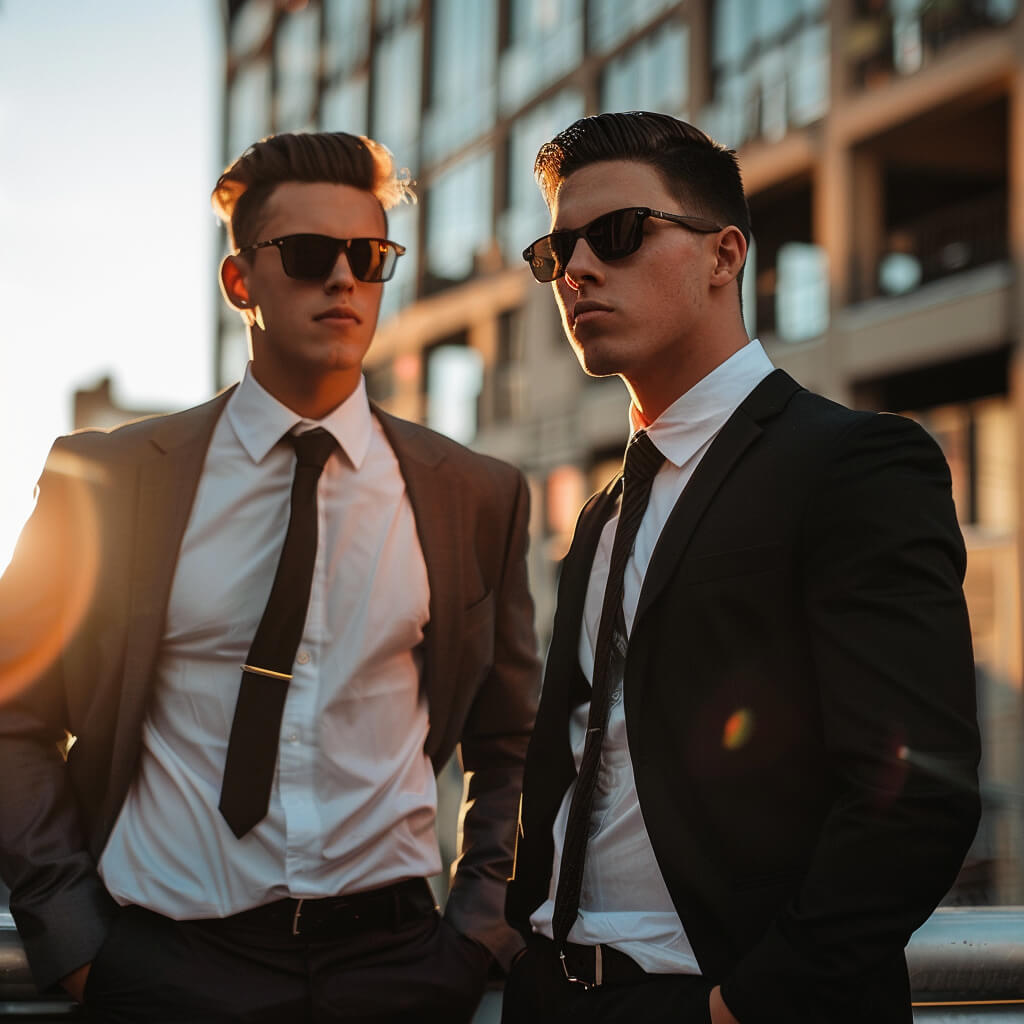
Formal clothes for men : Dressing in formal clothes for men is an art that requires attention to detail, an understanding of fit and fabric, and a sense of personal style. By investing in key pieces like a well-tailored suit, a crisp dress shirt, and polished shoes, you can create a timeless wardrobe that will serve you well in any formal setting. Remember, confidence is the final touch—wear your outfit with pride, and you’ll be sure to make an impression.
Dressing formally is about more than just wearing a suit; it’s about understanding the nuances of fit, fabric, and coordination. By investing in quality pieces and paying attention to detail, any man can master the art of formal dressing, ensuring he looks his best for any occasion. Whether it’s a business meeting, wedding, or black-tie event, the right formal attire will always leave a lasting impression.


truck scales in Mosul
شركة Bwer هي أحد الموردين الرئيسيين لموازين الشاحنات ذات الجسور في العراق، حيث تقدم مجموعة كاملة من الحلول لقياس حمولة المركبات بدقة. وتغطي خدماتها كل جانب من جوانب موازين الشاحنات، من تركيب وصيانة موازين الشاحنات إلى المعايرة والإصلاح. تقدم شركة Bwer موازين شاحنات تجارية وموازين شاحنات صناعية وأنظمة موازين جسور محورية، مصممة لتلبية متطلبات التطبيقات الثقيلة. تتضمن موازين الشاحنات الإلكترونية وموازين الشاحنات الرقمية من شركة Bwer تقنية متقدمة، مما يضمن قياسات دقيقة وموثوقة. تم تصميم موازين الشاحنات الثقيلة الخاصة بهم للبيئات الوعرة، مما يجعلها مناسبة للصناعات مثل الخدمات اللوجستية والزراعة والبناء. سواء كنت تبحث عن موازين شاحنات للبيع أو الإيجار أو التأجير، توفر شركة Bwer خيارات مرنة لتناسب احتياجاتك، بما في ذلك أجزاء موازين الشاحنات والملحقات والبرامج لتحسين الأداء. بصفتها شركة مصنعة موثوقة لموازين الشاحنات، تقدم شركة Bwer خدمات معايرة موازين الشاحنات المعتمدة، مما يضمن الامتثال لمعايير الصناعة. تشمل خدماتها فحص موازين الشاحنات والشهادات وخدمات الإصلاح، مما يدعم موثوقية أنظمة موازين الشاحنات الخاصة بك على المدى الطويل. بفضل فريق من الخبراء، تضمن شركة Bwer تركيب وصيانة موازين الشاحنات بسلاسة، مما يحافظ على سير عملياتك بسلاسة. لمزيد من المعلومات حول أسعار موازين الشاحنات، وتكاليف التركيب، أو لمعرفة المزيد عن مجموعة موازين الشاحنات ذات الجسور وغيرها من المنتجات، تفضل بزيارة موقع شركة Bwer على الإنترنت على bwerpipes.com
binance
I don’t think the title of your article matches the content lol. Just kidding, mainly because I had some doubts after reading the article.
binance h"anvisningsbonus
Your point of view caught my eye and was very interesting. Thanks. I have a question for you.