


Work clothes for men : In today’s professional landscape, work clothes for men have evolved significantly from mere functional attire to a blend of practicality, style, and personal expression. Whether in a corporate office, a construction site, or a creative studio, the right workwear not only meets the demands of the job but also makes a statement. This article explores the journey of men’s work clothes, the essentials every man should have in his wardrobe, and how to choose the right attire for different professions.
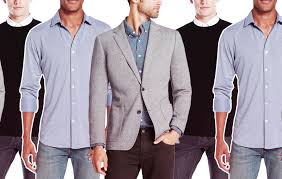
Work clothes for men : In the modern workplace, the concept of Work clothes for men has evolved significantly. Gone are the days when a suit and tie were the only acceptable attire in professional environments. Today, men’s workwear spans a wide range of styles, materials, and functions, catering to diverse industries and individual preferences. Whether working in an office, on a construction site, or in a creative studio, men’s work clothes must strike a balance between style, function, and comfort.
The History and Evolution of Men’s Workwear
Men’s workwear has a long history, rooted in the need for durability and protection. In the 19th and early 20th centuries, work clothes were designed primarily for manual labor. Overalls, heavy denim, and flannel shirts were staples for workers in industries such as mining, railroading, and farming. These garments were made from sturdy materials to withstand the rigors of physical work.
As the industrial revolution progressed, uniforms became more common in factories and businesses, symbolizing professionalism and company identity. The introduction of the business suit in the late 19th century marked a significant shift for office workers, combining function with a more formal aesthetic. By the mid-20th century, the suit and tie became the standard for white-collar professions, while blue-collar workers continued to rely on durable, practical attire.
In the 21st century, the lines between workwear and casual wear have blurred, with comfort and personal style becoming increasingly important. The rise of the tech industry and startup culture has further relaxed dress codes, leading to a more diverse range of acceptable work attire.
Essentials for the Modern Workplace
- The Business Suit: For those in traditional corporate environments, a well-tailored suit is essential. Navy, charcoal, and black suits are versatile and timeless, suitable for various occasions from meetings to presentations. Pairing a suit with a crisp white shirt and a classic tie creates a polished, professional look.
- Smart Casual: In many modern workplaces, smart casual has become the norm. This style strikes a balance between formal and casual, typically involving chinos or dress pants paired with button-down shirts, blazers, or even high-quality knitwear. The key is to maintain a neat, put-together appearance without the rigidity of a full suit.
- Work Boots and Safety Gear: For those in construction, manufacturing, or other physically demanding jobs, safety and durability are paramount. Steel-toed boots, high-visibility jackets, and protective helmets are essential. Brands like Carhartt and Timberland offer rugged workwear that combines protection with comfort.
- Outerwear: In colder climates or outdoor professions, a good quality coat or jacket is crucial. Peacoats, trench coats, and insulated jackets provide warmth and style. For those in manual labor, heavy-duty jackets with multiple pockets and reinforced seams are practical choices.
- Accessories: The right accessories can elevate a work outfit. A leather belt, a quality watch, and a briefcase or messenger bag add a touch of sophistication. For outdoor or physical jobs, consider tool belts and gloves that provide both functionality and a professional appearance.
Choosing the Right Work Clothes for Your Profession
- Corporate Environment: Stick to classic, well-fitted suits and polished shoes. Pay attention to fabric quality and tailoring, as these details can significantly impact your overall appearance. Darker colors are generally more formal and versatile.
- Creative Industry: In more relaxed, creative environments, personal style often plays a significant role. Here, you can experiment with patterns, textures, and colors while maintaining a professional look. Layering is also a key element, combining casual pieces with more formal items like blazers or tailored trousers.
- Technical or Manual Labor: Prioritize safety and functionality. Choose clothes that offer protection without compromising comfort. Look for durable materials that can withstand wear and tear, and invest in quality footwear designed for your specific work conditions.
- Remote Work: For those working from home, the balance between comfort and professionalism is crucial. While you may opt for more relaxed attire, it’s still important to present a professional appearance during virtual meetings. Polo shirts, smart casual shirts, and even dressy sweaters can work well.
Men’s work clothes have come a long way, adapting to the changing demands of various professions while also reflecting broader shifts in fashion and culture. Today, there is no one-size-fits-all approach to workwear. The key is to find a balance between functionality, comfort, and style that suits your profession and personal taste. Whether you’re donning a suit for a board meeting or gearing up for a day on the construction site, the right work clothes can boost your confidence and help you perform at your best.
In today’s dynamic work environment, the definition of appropriate work attire has evolved. Whether you’re in a corporate office, a startup, or a job that requires physical labor, your work clothes need to reflect your role while balancing style, comfort, and professionalism. This guide explores the key considerations for men when selecting work clothes that suit their specific job requirements.
1. Understanding Your Work Environment
Before diving into specifics, it’s essential to assess your work environment. The expectations for attire can vary greatly depending on the industry, company culture, and the nature of your work. For instance:
- Corporate Offices: Think traditional business attire—suits, dress shirts, ties, and polished shoes. However, many modern workplaces have shifted to business casual, which includes dress pants or chinos, button-down shirts, and loafers.
- Creative Industries: If you work in a more relaxed, creative field, your wardrobe might include stylish, yet comfortable pieces such as well-fitted jeans, smart casual blazers, and trendy sneakers.
- Manual Labor Jobs: For jobs requiring physical work, functionality is key. Durable workwear like cargo pants, steel-toed boots, and high-quality work shirts are essential. Safety and comfort should be prioritized.
2. Essential Pieces for Every Wardrobe
Regardless of your industry, certain wardrobe staples are essential. These pieces offer versatility and can be mixed and matched for different settings.
- Dress Shirts: A good collection of dress shirts is a must. Opt for neutral colors like white, light blue, and gray, and consider both short-sleeve and long-sleeve options. Ensure they are well-fitted, as a proper fit enhances your overall appearance.
- Blazers and Suits: For those in more formal settings, a tailored suit is a must. Invest in a classic navy or charcoal suit that can be worn in a variety of situations. A blazer can serve as a more casual alternative while still maintaining a polished look.
- Trousers and Chinos: Tailored trousers are a staple for any professional wardrobe. Chinos offer a more relaxed alternative for business casual environments. Choose neutral colors that can easily be paired with different shirts and shoes.
- Shoes: Your choice of footwear speaks volumes. For formal settings, invest in a pair of high-quality oxfords or loafers. In more casual environments, brogues or leather sneakers can be both comfortable and stylish. For manual labor, safety boots are non-negotiable.
- Outerwear: Depending on the climate, a good overcoat or jacket is essential. For colder months, a wool coat or parka can provide warmth without sacrificing style.
3. Choosing the Right Fabrics
The fabric of your work clothes is crucial for comfort and durability.
- Cotton: A popular choice for shirts and trousers, cotton is breathable and comfortable, making it ideal for long work hours.
- Wool: Often used in suits and outerwear, wool is durable and provides insulation, making it suitable for cooler environments.
- Polyester Blends: These fabrics are often used in workwear for their durability and ease of maintenance. They are also resistant to wrinkles, making them a practical choice.
- Performance Fabrics: For those in physically demanding jobs, performance fabrics that offer moisture-wicking and stretch are ideal. These materials keep you comfortable and allow for a greater range of movement.
4. Fit and Comfort
No matter how stylish or expensive your clothes are, if they don’t fit well, they won’t look good. Tailoring is key. A well-fitted shirt, pair of trousers, or suit enhances your appearance and ensures comfort throughout the day. For manual labor jobs, the fit should allow for ease of movement without being too loose, which can be a safety hazard.
5. The Role of Accessories
Accessories can elevate your look, even in a work setting.
- Ties and Pocket Squares: These add a touch of elegance to your suit or blazer. Opt for subtle patterns and colors that complement your outfit.
- Belts: A high-quality leather belt not only holds your trousers in place but also adds a refined touch to your ensemble.
- Watches: A classic watch is both functional and stylish. It’s a subtle way to convey professionalism.
- Work Bags: For corporate and creative settings, a sleek leather briefcase or messenger bag is ideal. For manual labor, a durable, functional work bag or tool belt is essential.
6. Maintaining Your Wardrobe
Taking care of your work clothes extends their lifespan and keeps you looking sharp. Regularly dry clean your suits, polish your shoes, and follow care instructions for washing and ironing. For manual workwear, ensure your clothes are cleaned according to the manufacturer’s guidelines to maintain their protective qualities.
7. Sustainability and Ethical Choices
As more men become conscious of their environmental impact, choosing sustainable and ethically produced workwear is increasingly important. Look for brands that prioritize eco-friendly materials and ethical labor practices. Investing in higher-quality, sustainable pieces not only reduces your environmental footprint but also ensures your clothes last longer.
Your work clothes are more than just an outfit; they are a reflection of your professionalism, personality, and respect for your workplace. By carefully selecting your wardrobe, considering fit, fabric, and style, and maintaining your clothing, you can ensure that you not only meet your work’s dress code but also feel confident and comfortable throughout your day. Whether you’re in a boardroom, a creative studio, or on a construction site, the right work clothes can make all the difference.
In today’s dynamic work environment, what men wear to the office has evolved significantly. Gone are the days of rigid dress codes that demanded suits and ties from Monday to Friday. Modern work clothes for men reflect a blend of tradition and contemporary trends, offering flexibility, comfort, and a touch of personal style. Whether you’re navigating the corporate world, a creative space, or a startup environment, understanding the essentials of work attire is key to dressing well and feeling confident.
1. Understanding the Dress Code
Before diving into your wardrobe, it’s crucial to understand the dress code of your workplace. The spectrum ranges from formal business attire to business casual, and even smart casual in more relaxed environments.
- Formal Business Attire: This is the most traditional dress code, typically required in law firms, financial institutions, and other conservative industries. Think tailored suits, dress shirts, ties, and polished leather shoes. The color palette is usually muted—navy, charcoal, black, and white.
- Business Casual: This dress code is more relaxed but still professional. It allows for more variety, such as dress slacks, chinos, button-down shirts, and optional blazers. Ties are often not required, and shoes can range from loafers to polished dress shoes.
- Smart Casual: Often found in creative industries and startups, smart casual is a mix of professional and casual pieces. It includes well-fitted jeans or chinos, stylish yet understated shirts, and casual shoes like brogues or clean sneakers. Blazers can be swapped for casual jackets or even a well-tailored sweater.
2. Key Pieces for the Modern Wardrobe
Regardless of the dress code, there are certain pieces every man should have in his work wardrobe. These items offer versatility and can be mixed and matched to suit various occasions.
- Tailored Suit: Even in more casual workplaces, having at least one good suit is essential. Opt for a classic cut in a neutral color like navy or charcoal, which can be worn for important meetings, interviews, or events.
- Dress Shirts: Invest in high-quality dress shirts in solid colors and subtle patterns. White, light blue, and soft pink are versatile choices. Look for shirts with a good fit—neither too tight nor too loose.
- Chinos and Dress Slacks: Chinos in khaki, navy, or grey are perfect for business casual settings, while dress slacks are ideal for more formal environments. Both can be dressed up or down depending on the occasion.
- Blazer or Sports Jacket: A blazer instantly elevates any outfit. Choose one in a neutral color or a subtle pattern, and pair it with chinos or jeans for a polished look.
- Shoes: Footwear is crucial to completing your outfit. For formal settings, classic oxfords or derby shoes are ideal. Loafers or brogues are perfect for business casual, while clean, minimalist sneakers can work in more casual environments.
- Accessories: Ties, belts, and watches are small details that can make a big impact. A quality leather belt that matches your shoes, a simple yet elegant watch, and a well-chosen tie can pull an outfit together.
3. Fabrics and Fit Matter
The fabric and fit of your clothes play a significant role in how they look and feel. Choose natural fabrics like cotton, wool, or linen, which are breathable and comfortable for long hours. In terms of fit, modern styles favor a more tailored look—clothes should contour to your body without being too tight.
When in doubt, it’s better to err on the side of a slightly looser fit, which can be tailored down, rather than something too tight that restricts movement.
4. Seasonal Considerations
Your work wardrobe should also reflect the seasons. In warmer months, lighter fabrics like cotton, linen, and lighter wool blends are ideal. For cooler weather, layering is key—opt for thicker wool suits, sweaters, and coats that can be added or removed as needed.
Remember to adapt your color palette to the season as well—lighter tones for spring and summer, and darker, richer tones for fall and winter.
5. Expressing Personal Style
While it’s important to adhere to your office’s dress code, there’s always room for a touch of personal style. Subtle details like a pocket square, cufflinks, or a distinctive tie can add personality without compromising professionalism. In more casual settings, you might experiment with different textures, patterns, or even a pop of color.
6. Grooming and Maintenance
Even the best outfit can fall flat if it’s not well-maintained. Regularly dry clean your suits, iron your shirts, and polish your shoes. Personal grooming is just as important—keep hair neatly trimmed, facial hair well-groomed, and nails clean.
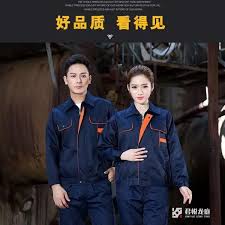
Work clothes for men : Men’s work clothes have come a long way, evolving to meet the needs of a dynamic and diverse workforce. Whether the priority is professionalism, protection, or personal style, the options available today allow men to dress for success in any environment. As the lines between work and personal life continue to blur, the future of men’s workwear will likely see even more integration of comfort, functionality, and sustainability into everyday attire.
Navigating the world of work clothes doesn’t have to be daunting. By understanding your workplace’s dress code, investing in key pieces, and paying attention to fit, fabric, and personal grooming, you can build a wardrobe that not only meets professional standards but also reflects your personal style. Dressing well is not just about appearance—it’s about feeling confident and prepared to take on whatever the workday brings.


Video Downloader
Hello Neat post Theres an issue together with your site in internet explorer would check this IE still is the marketplace chief and a large element of other folks will leave out your magnificent writing due to this problem