



Night sleep is a period of rest and relaxation for the body and mind. During this time, the body repairs itself, replenishes energy stores, processes information from the day, and prepares for the next one. Night sleep should be at least 7-9 hours in length for healthy adults; however, some people may require more or less depending on individual needs.
Poor night sleep can lead to fatigue during daytime activities as well as memory issues due to impaired cognitive functioning. It can also contribute to mental health problems such as depression and anxiety if not addressed properly. Good habits like avoiding stimulants before bedtime, creating a relaxing environment without distractions, and going to bed at regular times are important for quality night sleep that will benefit overall wellbeing.
Night sleep is essential to our health and wellbeing. It helps us recharge for the next day, keeps our minds sharp, and improves our moods. Without adequate rest, we can become irritable, have difficulty concentrating on tasks, and feel lethargic throughout the day.
Getting enough sleep at night also helps reduce stress levels which in turn can help improve overall quality of life.
What is a Proper Night’S Sleep?
A proper night’s sleep is essential for both physical and mental health. It helps to regulate your mood, reduce stress levels, improve concentration and focus, and keep you in good shape. Getting enough quality sleep is also important for maintaining a healthy weight, improving immune system functioning, slowing the aging process and even preventing certain diseases like diabetes or heart disease.
A good night’s rest should be seven to nine hours of uninterrupted sleep each night. The best time to go to bed is at least eight hours before you need to wake up; this allows your body time to fall asleep naturally without relying on alarm clocks or other artificial stimuli. Before going to bed it’s important that you relax by dimming the lights in your bedroom or taking a hot bath; avoid bright screens from phones or televisions which can disrupt natural melatonin production.
Make sure your sleeping environment is comfortable by using soft sheets and pillows; use earplugs if necessary if there are any external noises keeping you awake during the night. Last but not least make sure that all worries are out of sight as they will only cause disruption while trying to get some shut-eye!
How Can I Get Deep Sleep at Night?
Getting a good night’s sleep is essential for your overall physical and mental health. Deep, restful sleep helps to improve concentration, memory, productivity, and moods. Unfortunately, many people struggle to get the quality of sleep they need each night due to stress or lifestyle choices.
Fortunately, there are some simple strategies you can use to help yourself achieve a deeper level of restorative slumber.
First off, create an environment conducive for deep sleep by making sure that it is dark in your bedroom at night (avoiding any artificial lighting) and keeping the temperature comfortable—not too hot or cold. Additionally, limit noise levels as much as possible so that you aren’t distracted during the night; consider using earplugs if needed.
Next up: stick with a regular bedtime routine! Going to bed and waking up around the same time each day will help train your body into expecting restorative slumber when it’s time for lights out. Avoid using electronic devices close to bedtime (or altogether!) since their bright screens inhibit melatonin production which leads to difficulty falling asleep naturally; instead opt for calming activities such as reading or yoga before tucking in for the evening.
Eating dinner several hours prior will also ensure that digestion doesn’t interfere with getting quality shut-eye either!
Finally: try relaxation techniques such as deep breathing exercises or guided meditation before hitting the hay—this will help reduce stress levels which can otherwise prevent us from achieving deep REM cycles throughout our snooze sessions!
Why Can’T I Get a Good Night Sleep?
If you can’t seem to get a good night’s sleep, it could be due to any number of factors. Stress and anxiety are two common causes of insomnia, which is difficulty falling or staying asleep at night. If the mind is racing with worries from the day, it can keep you up all night thinking about them instead of getting restful sleep.
Other lifestyle factors such as an unbalanced diet, excessive caffeine consumption or even just working too late into the evening may also contribute to poor quality sleep. Even if your environment is comfortable and quiet during bedtime hours, if your body isn’t prepared for restful slumber then it won’t come easily no matter what you do. The key is finding out why your body’s natural rhythms aren’t allowing for deep enough sleep each night so that you can address those issues directly and restore balance in order to get a good night’s rest every time.
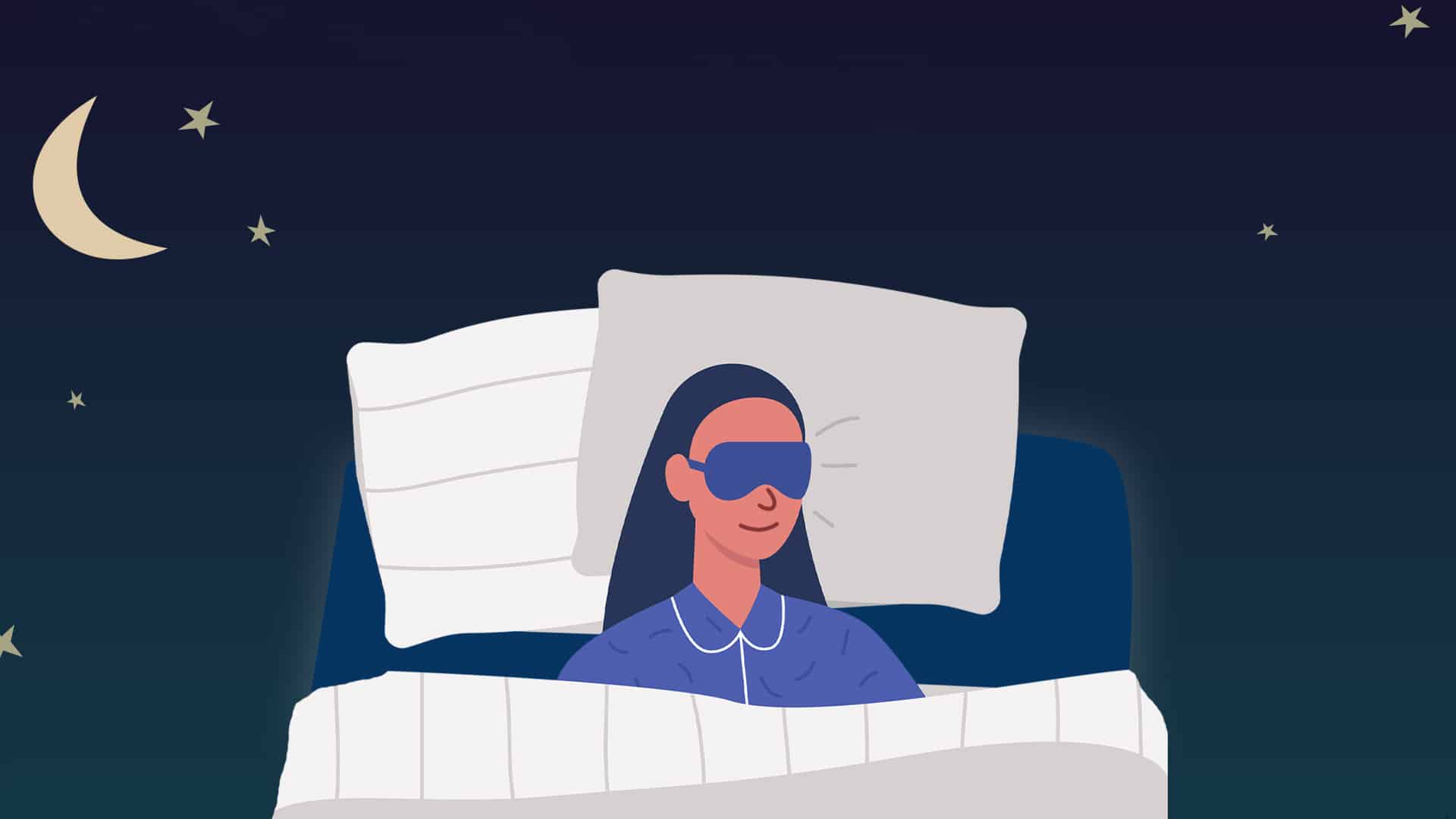
How to Sleep Better at Night Naturally
Getting a good night’s sleep is essential to your overall health and wellbeing. To help ensure that you get the restful sleep that your body needs, there are several natural tips you can try. Start by creating a calming bedtime routine: take time to relax before going to bed, dim the lights in your bedroom, and avoid screens for at least an hour before sleeping.
Additionally, practice regular exercise during the day as this helps promote good quality of sleep at night while also avoiding caffeine or nicotine late in the afternoon/evening as these substances can interfere with proper restfulness. Finally, make sure that your bedroom is comfortable and quiet – this will help create an environment conducive to healthy sleeping habits.
Sleeping Tips
Getting a good night of sleep is essential for maintaining your overall physical and mental health. To ensure that you get the restful sleep you need, it is important to establish healthy sleeping habits such as going to bed at the same time every night, limiting daytime napping, avoiding caffeine late in the day, and creating a relaxing nighttime routine. Additionally, try to keep your bedroom dark and cool and eliminate any bright screens or other distractions from your space.
With these tips in mind, you can help yourself get better quality sleep on a regular basis!
How to Get a Good Night Sleep With Anxiety
Getting a good night of sleep with anxiety can be difficult, but there are some things you can do to help. First, try to keep your nighttime routine consistent. Avoid doing anything stimulating like watching television or checking emails in the hours before bedtime and instead focus on calming activities such as reading a book or taking a warm bath.
Additionally, make sure you have plenty of natural light exposure during the day and limit your caffeine intake after lunchtime. Lastly, talk to your doctor about any medications that may help if other methods fail. With dedication and perseverance, getting a good night’s sleep while dealing with anxiety is achievable!
Sleeping
Getting enough sleep is essential for good health and wellbeing. Poor sleeping habits can lead to physical, mental, and emotional problems that can have a serious impact on your quality of life. If you are struggling to get enough restful sleep each night, it’s important to talk to your doctor about ways you can improve your sleep hygiene and ensure you are getting the restful sleep that your body needs.
How to Sleep Fast in 5 Minutes
If you’re struggling to fall asleep quickly, there are a few simple techniques that can help. One of the most effective and easiest methods is the five-minute breathing technique. To do this, sit up in bed with your eyes closed and take slow, deep breaths for about five minutes.
Focus on each breath as it enters and leaves your body until you begin to feel relaxed and drift off into sleep.
How to Sleep Through the Night Without Waking Up
If you’re having trouble sleeping through the night without waking up, there are several strategies that you can try to help improve your sleep quality. First, create a relaxing bedtime routine that helps signal to your body it’s time to rest. Make sure to turn off all electronics at least an hour before bed and avoid caffeine late in the day.
Additionally, establish consistent wake times as this will naturally reset your circadian rhythm and help regulate when your body is ready for sleep each night. Finally, practice good “sleep hygiene” by limiting exposure to light in the bedroom and creating a comfortable environment with temperature control that allows for optimal sleep quality throughout the night.
How to Get a Good Night Sleep And Wake Up Refreshed
A good night of sleep can help you wake up feeling refreshed and full of energy. To get a restful night’s sleep, establish a regular bedtime routine that includes winding down for the evening by turning off electronics an hour before bed, creating a dark and comfortable sleeping environment, avoiding caffeine late in the day, exercising regularly and getting plenty of sunlight during the day. By following these simple steps you will be able to get all the rest you need to start your day with renewed focus and energy!
How to Sleep Instantly
If you’re having trouble falling asleep, there are some simple techniques that can help you drift off almost instantly. Start by setting a regular bedtime for yourself and sticking to it as much as possible. When your body is used to going to sleep at the same time each night, it will become easier for your brain to relax and transition into sleep quickly.
Additionally, try relaxation exercises such as deep breathing or guided imagery before getting into bed so that your mind is already in a relaxed state when it’s time to turn out the lights. Finally, create an environment conducive of restful sleep – keep noise levels low, make sure the room isn’t too hot or cold and avoid using devices with screens right before bedtime.
Conclusion
In conclusion, a good night’s sleep is essential to leading a healthy lifestyle. Not only does it help with physical rejuvenation, but it also helps improve mental clarity and boosts overall well-being. By making sure you get an adequate amount of sleep each night and finding ways to relax before bedtime, you can ensure that your body is able to rest and recharge for the day ahead.


binance open account
Your point of view caught my eye and was very interesting. Thanks. I have a question for you.
gratis binance-konto
Can you be more specific about the content of your article? After reading it, I still have some doubts. Hope you can help me.